Behind the Scenes: My Creative Process Unveiled

Creativity is often seen as a mysterious force, something that strikes like lightning and leaves us in awe. But what if I told you that creativity can be cultivated, structured, and understood? In this post, I will take you behind the scenes of my creative process, revealing the steps I take to transform ideas into tangible outcomes. Whether you're an aspiring artist, writer, or simply someone looking to enhance your creative skills, this insight into my journey may inspire you to explore your own creative potential.
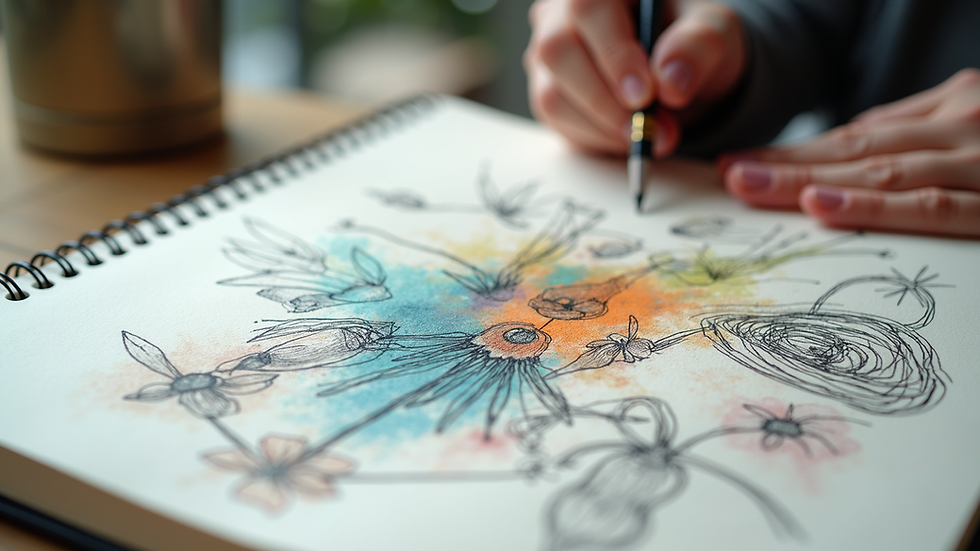
Understanding the Creative Process
The creative process is not a one-size-fits-all journey. It varies from person to person, influenced by individual experiences, preferences, and environments. However, I have identified several key stages that are common in my creative endeavors. These stages include:
Inspiration: The initial spark that ignites the creative flame.
Research: Gathering information and insights to inform the project.
Ideation: Brainstorming and developing concepts.
Creation: Bringing ideas to life through various mediums.
Reflection: Evaluating the work and making necessary adjustments.
Inspiration: Finding Your Muse
Inspiration can come from anywhere—a walk in nature, a conversation with a friend, or even a piece of art. For me, inspiration often strikes during quiet moments when I allow my mind to wander. Here are some techniques I use to cultivate inspiration:
Journaling: Writing down thoughts, dreams, and observations helps me tap into my subconscious.
Exploring New Environments: Visiting new places or trying new activities can spark fresh ideas.
Engaging with Other Creatives: Collaborating or simply discussing ideas with fellow creatives can lead to unexpected insights.
Research: Building a Foundation
Once I have a spark of inspiration, I dive into research. This phase is crucial as it provides context and depth to my ideas. Here’s how I approach research:
Reading: I explore books, articles, and blogs related to my topic. This helps me understand different perspectives and gather valuable information.
Watching Documentaries: Visual storytelling can provide a wealth of knowledge and inspiration.
Conducting Interviews: Speaking with experts or individuals who have experience in the field can offer unique insights.
Ideation: Brainstorming Ideas
With a solid foundation of research, I move on to the ideation phase. This is where creativity truly flourishes. I employ various techniques to brainstorm ideas:
Mind Mapping: Creating a visual representation of ideas helps me see connections and explore different directions.
Free Writing: I set a timer and write continuously without worrying about grammar or structure. This often leads to unexpected ideas.
Sketching: Visualizing concepts through sketches can clarify my thoughts and inspire new directions.
Creation: Bringing Ideas to Life
The creation phase is where the magic happens. This is the stage where I transform my ideas into tangible forms. Depending on the project, this could involve writing, painting, designing, or any other creative medium. Here are some tips for effective creation:
Set Clear Goals: Defining what I want to achieve helps me stay focused and motivated.
Establish a Routine: Consistency is key. I dedicate specific times for creative work to build momentum.
Embrace Imperfection: I remind myself that the first draft doesn't have to be perfect. The goal is to get ideas down and refine them later.
Reflection: Evaluating and Adjusting
After completing a project, I take time to reflect on the process and the outcome. This phase is essential for growth and improvement. Here’s how I approach reflection:
Seek Feedback: Sharing my work with trusted peers can provide valuable insights and constructive criticism.
Self-Assessment: I evaluate what worked well and what could be improved for future projects.
Celebrate Successes: Acknowledging achievements, no matter how small, helps maintain motivation for future endeavors.
Overcoming Creative Blocks
Creative blocks are a common challenge for many artists and creators. When I encounter a block, I employ several strategies to overcome it:
Take Breaks: Stepping away from the project can provide clarity and fresh perspectives.
Change My Environment: A new setting can stimulate creativity and inspire new ideas.
Engage in Different Activities: Sometimes, working on a different project or hobby can reignite my creative spark.
The Importance of Community
Creativity thrives in a supportive environment. Building a community of fellow creatives has been invaluable in my journey. Here are some ways to foster connections:
Join Workshops or Classes: Participating in group activities can lead to new friendships and collaborations.
Attend Local Events: Art shows, readings, and meetups are great opportunities to connect with like-minded individuals.
Utilize Online Platforms: Social media and forums can help you find and engage with creative communities worldwide.
Final Thoughts
Understanding and nurturing your creative process can lead to profound personal growth and fulfillment. By following the stages of inspiration, research, ideation, creation, and reflection, you can cultivate your creativity and bring your ideas to life. Remember, creativity is not just about the end product; it’s about the journey and the experiences along the way.
As you embark on your creative journey, keep in mind that every artist has their unique process. Embrace yours, and don’t be afraid to experiment and evolve. The world is waiting for your unique voice and vision. So grab your sketchbook, write your story, or paint your masterpiece—your creativity is a gift that deserves to be shared.
Comments